Part 1 of 3: Introduction and Engineering Rigor
Over the last twenty years, nearly everything about how we build software at BTI360 has evolved—languages, frameworks, tools, platforms, and even the way we work. What hasn’t changed is our commitment to building software the right way. That commitment has matured into what we now call our Engineering Culture.
BTI360’s Engineering Culture is our shared approach to building software: the principles, practices, and values that guide our work. It’s not a rigid playbook or a preference for a particular technology. It’s a shared mindset, clear expectations, and practical guidance that engineers can apply in their daily work.
Why is Engineering Culture important to us?
- Because we believe that software should be crafted to the highest standards.
- Because we’re committed to giving everyone at BTI360 the knowledge, support, and opportunities they need to excel as engineers and teammates.
- Because we’re dedicated to unlocking the potential of our customers and their data, helping them achieve truly transformative outcomes.
- Because lives rely on our systems working correctly.
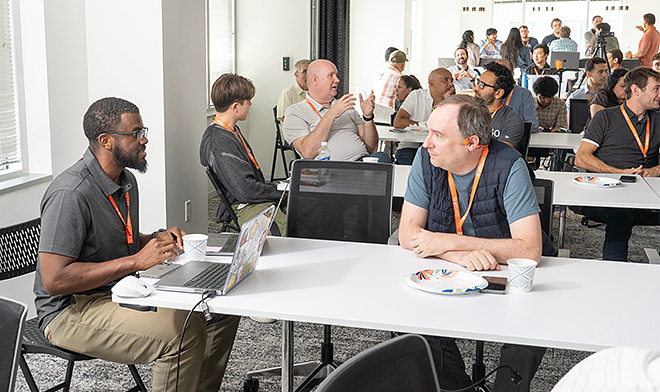
How Engineering Culture Guides Our Work
Engineering Culture provides a shared foundation, not an inflexible formula. Engineering involves judgment. Customer needs, technical constraints, and delivery timelines vary, and sometimes teams must make deliberate trade-offs. Our Engineering Culture helps teams grapple with those trade-offs, understand their consequences, and make the best decisions consistent with our broader engineering principles.
Engineering culture extends beyond the code itself. One key element of our Engineering Culture is Lean Agile software development, where we work with our customers to identify how to make the biggest impact, deliver that solution quickly, and repeat. Another aspect is our dedication to personal development, helping our teammates continue learning and growing as expert engineers and technical leaders. Additionally, our drive to innovate and take advantage of cutting-edge technology like Generative Artificial Intelligence enables us to create new data discovery workflows and user experiences that until recently were impossible.
At the center of this culture are three Engineering Pillars:
- Engineering Rigor – Developing applications that are clean, efficient, maintainable, secure, and compliant
- Architectural Integrity – Designing systems and APIs that are adaptable, robust, and follow best practices, while sharing knowledge through documentation and collaboration
- Operational Maturity – Deploying code quickly via automated, repeatable, observable, and scalable processes that give customers confidence in our software’s availability, resilience, and capability
In this three-part series, we’ll explore highlights from each Engineering Pillar. Today we’ll start with Engineering Rigor.
Engineering Rigor
Engineering Rigor is about developing applications that are clean, efficient, maintainable, secure, and compliant. It’s the discipline that ensures the code we write today won’t become tomorrow’s nightmare.
Clean Code
Code is read far more often than it’s written. That’s why we emphasize clean code principles that make our software easy to read, understand, and maintain.
If you want to know what Clean Code looks like at BTI360, check out this blog series.
Testing
Clean code is important, but how do you know your code actually works? That’s where testing comes in.
At BTI360, our developers are the ones who create and maintain their project’s automated test suites, since they’re most familiar with what needs to be tested. We write tests not as an afterthought, but as an integral part of our daily work.
Testing helps our teams clarify customer requirements and demonstrate real user workflows. Good automated testing leads to better-designed code and the confidence that our applications will continue working as they evolve over time.
Code Reviews
Code reviews are where development, teamwork, and learning come together. We conduct thorough reviews of all code changes, providing constructive, actionable feedback and highlighting ways to improve code quality and test coverage. Since we know we all have the best intentions for our project and each other, we don’t hesitate when we have something to say (though we always provide feedback with honesty, kindness, and curiosity).
Code reviews are opportunities to learn new things, share knowledge, and maintain consistency across our codebases. Every review is a chance to become a better engineer.
Technical Debt
Let’s be real: every codebase accumulates technical debt. The question isn’t whether you have debt, but how you manage it.
At BTI360, we track technical debt, including messy code, inadequate tests, suboptimal architecture, missing documentation, and development shortcuts. We allocate time to address technical debt, and we aren’t shy about communicating the impact this has on delivery timelines and application stability. We understand that technical debt can’t be ignored forever, and that effectively managing debt is just as important as developing new features.
Trusted Technologies
One key aspect of Engineering Rigor is making thoughtful technology choices. At BTI360, we maintain a Technology Radar that lists our current preferred technologies.
When we use consistent technologies across projects, we:
- Adopt technologies that have already been proven successful
- Build deeper expertise on those technologies within our engineering teams
- Share knowledge and solutions across teams more effectively
- Reduce onboarding time for engineers moving between projects
- Create reusable libraries and methodologies that can benefit multiple projects.
Of course, technology evolves constantly, and so does our Tech Radar. We’re always open to exploring new technologies when they make sense for a project’s requirements. But before adopting something new, we have a conversation with our technical leadership to discuss requirements, options, and trade-offs. We also encourage teams to consider existing technologies, including open-source software and solutions developed by other BTI360 teams, before building custom solutions. We want to avoid reinventing the wheel when possible.
Security and Compliance
When customers trust us with mission-critical systems and sensitive data, security and compliance are fundamental requirements.
Security: Integrate security best practices into the engineering process throughout the planning, design, and development process. Routinely perform security assessments and address any threats or vulnerabilities found.
Data Protection: Follow enterprise data protection standards for authentication, authorization, retention, encryption, and access control policies, remaining vigilant to protect sensitive mission-critical data.
Backwards Compatibility: Understand how software changes affect external systems and, ensure backwards compatibility whenever possible to avoid breaking existing API bindings for external clients.
Accessibility: Incorporate WCAG standards into UI development and conduct accessibility testing with assistive technologies. Building compliant software means building software everyone can use.
Shared Ownership
At BTI360, we believe in collective code ownership. Everyone shares accountability for the code quality, design, development, testing, and operations of their team’s applications.
This doesn’t mean everyone does everything all the time. Each teammate should have opportunities to take charge of something—to be a subject matter expert for a specific part of the codebase, lead architecture design efforts, or serve as a key point of contact for customers and other teams.
But it does mean that no one gets to say “that’s not my problem.” We’re all responsible for the success of our systems and our customers.
Looking Forward
Engineering Rigor is the foundation of everything we build at BTI360, but it’s only one part of the equation. In Part 2 of this series, we’ll explore Architectural Integrity, how we design systems and APIs that are adaptable and robust, and how we document and share our knowledge across teams to ensure our collective success.
 Career Opportunities
Are you looking to join a software company that invests in its teammates and promotes a strong engineering culture? Check out our current Career Opportunities. We’re always looking for like-minded engineers to join the BTI360 team.